Katie Zacharia Resigns Amid Credibility Crisis
Katie Zacharia's brief tenure as White House press secretary ended after a reporter questioned her legal credentials, highlighting the importance of verifying credentials in public relations. This incident serves as a wake-up call for publicists to ensure the credibility of their clients' claims.
Original reporting · prdaily.com
Original: “Katie Zacharia’s credibility crisis is a wake-up call for every publicist”
Read “Katie Zacharia’s credibility crisis is a wake-up call for every publicist” at PR Daily →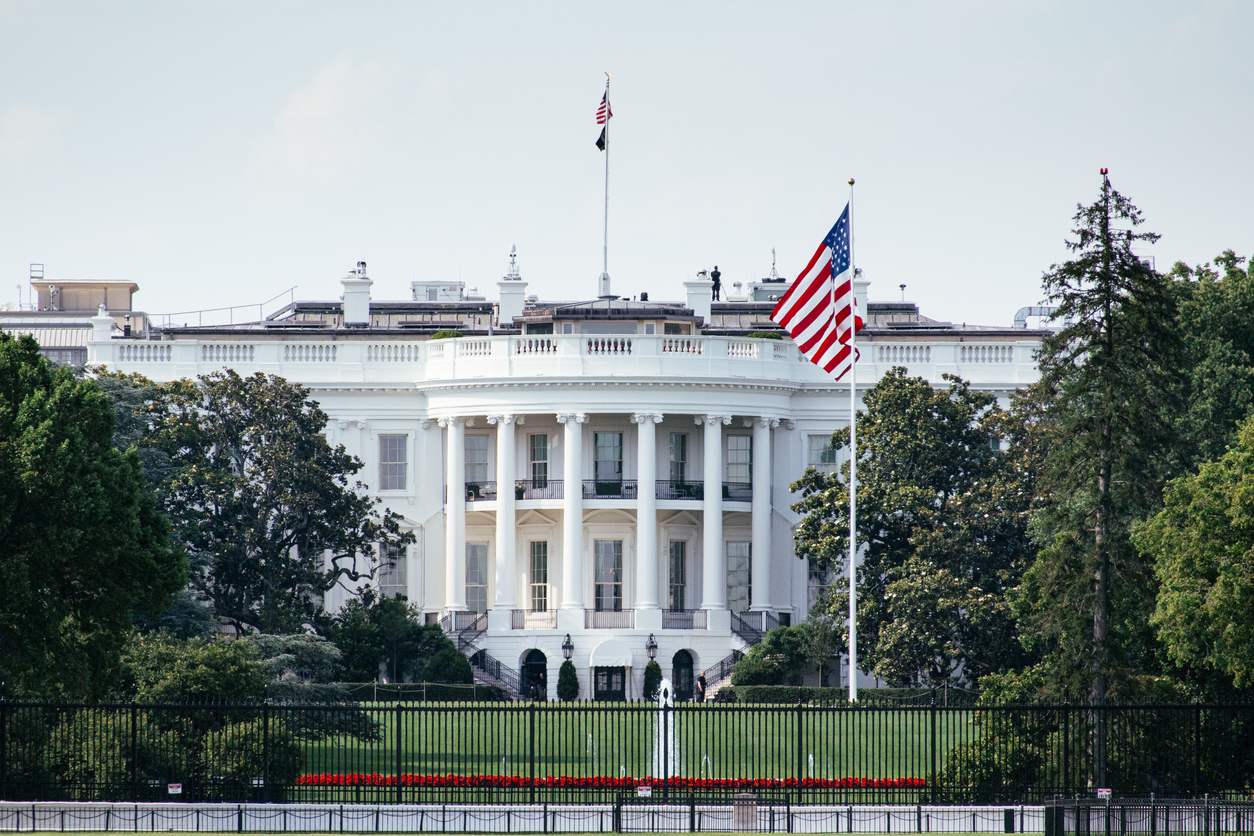
How this was written. Awesome B2B Design wrote this article with a language model from PR Daily’s reporting (model: @cf/meta/llama-3.3-70b-instruct-fp8-fast); it describes that reporting rather than adding to it. The original, linked above, is the full story.
Key points from PR Daily’s report
- Katie Zacharia's brief tenure as White House press secretary ended due to a credibility crisis surrounding her legal credentials.
- Publicists should verify the credentials they promote to ensure they can withstand scrutiny.
- The incident highlights the need for publicists to anticipate questions their clients would rather avoid and address potential controversies before they arise.
Katie Zacharia, who appeared on national television as a lawyer, faced a credibility crisis after a reporter questioned her legal credentials on the White House South Lawn, according to PR Daily. Her response to the question raised more concerns, and two days later, she acknowledged failing the California bar exam and never retaking it. This incident led to her resignation as White House press secretary. The controversy surrounding Zacharia's credentials has sparked a discussion about the importance of verifying claims in public relations.
Zacharia had earned a law degree from Pepperdine University, but she was not licensed to practice law, which is a crucial distinction. She defended her description of herself as a lawyer, citing her education and international legal experience. However, her repeated public descriptions of herself as a lawyer raised questions that could be checked against licensing records. As a result, her credibility became the central issue, rather than her message.
The incident highlights the need for publicists to verify the credentials they promote, rather than simply repeating what they are told. Reporters are not obligated to stick to carefully prepared talking points, and one inconsistent answer can send an interview in a different direction. Publicists should anticipate questions their clients would rather avoid and verify claims to ensure they can withstand scrutiny.
The controversy surrounding Zacharia's credentials raises questions about the vetting process that occurred before she assumed her position. While the details of the vetting process are unknown, the incident serves as a reminder that protecting a reputation begins long before the cameras turn on. Publicists should ask uncomfortable questions, check credentials, and ensure the public narrative can stand on its own.
The lesson from Zacharia's controversy applies far beyond Washington, according to PR Daily. It applies to celebrities, CEOs, entrepreneurs, medical experts, and anyone whose reputation depends on public credibility. Rebuilding trust takes more than one polished statement, and addressing the facts, correcting inaccuracies, and clarifying misunderstandings is crucial. Taking responsibility where appropriate is also essential in rebuilding trust.
The journalist who exposes a discrepancy did not create the credibility problem; they may simply be the first person to ask a question that should have been anticipated. This incident serves as a reminder for publicists to be proactive in verifying credentials and anticipating questions, rather than reacting to controversies after they arise.
In conclusion, the credibility crisis surrounding Katie Zacharia's resignation as White House press secretary highlights the importance of verifying credentials in public relations. Publicists should prioritize credibility and take steps to ensure their clients' claims can withstand scrutiny.
Questions and answers
What was the reason for Katie Zacharia's resignation as White House press secretary?
Katie Zacharia resigned after a reporter questioned her legal credentials, and she acknowledged failing the California bar exam and never retaking it.
What lesson can be learned from Katie Zacharia's controversy?
The incident serves as a reminder for publicists to verify credentials, anticipate questions, and ensure the public narrative can stand on its own to protect their clients' reputations.
How can publicists rebuild trust after a credibility crisis?
Rebuilding trust takes more than one polished statement; it requires addressing the facts, correcting inaccuracies, clarifying misunderstandings, and taking responsibility where appropriate.