Elevance Health Director Discusses Crisis Comms And Deepfakes
Crisis communicators face challenges in verifying information and mobilizing responses quickly, according to Lisa Burris, senior director of corporate communications at Elevance Health. The rise of deepfakes intensifies the consequences of getting it wrong.
Original reporting · prdaily.com
Original: “The future of crisis comms and deepfakes”
Read “The future of crisis comms and deepfakes” at PR Daily →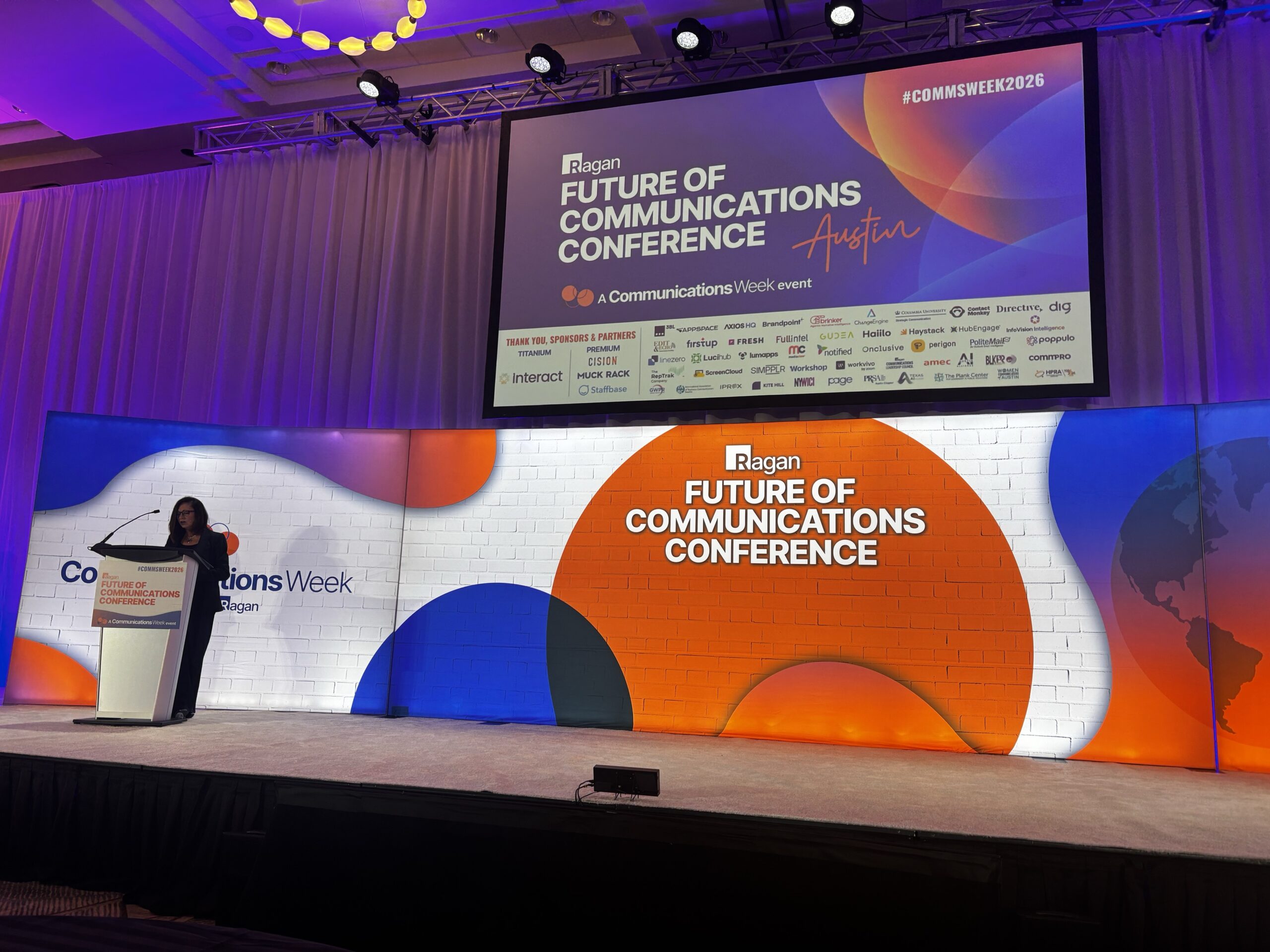
How this was written. Awesome B2B Design wrote this article with a language model from PR Daily’s reporting (model: @cf/meta/llama-3.3-70b-instruct-fp8-fast); it describes that reporting rather than adding to it. The original, linked above, is the full story.
Key points from PR Daily’s report
- Crisis communicators face challenges in verifying information and mobilizing responses quickly due to the rise of deepfakes.
- The fundamentals of crisis communication, including accuracy, empathy, and transparency, remain the same despite the increasing threat of deepfakes.
- Crisis plans should be pressure tested to ensure they can hold up when multiple threats hit at once.
- Communications should be integrated into the response command center from the beginning to inform decision-making.
- Credibility is built over time through clear communication, demonstration of expertise, and provision of useful content.
Crisis communicators are dealing with the increasing threat of deepfakes, which can spread quickly and cause damage to trust before they are proven to be fake, according to PR Daily. A convincing deepfake can reach employees and reporters before it is debunked, and the damage to trust may already be done.
Lisa Burris, senior director of corporate communications at Elevance Health, discussed the challenges of crisis communications at Ragan's Future of Communications Conference in Austin. She said that crisis communicators face two distinct challenges: establishing what is actually happening and understanding what stakeholders believe is happening.
Burris noted that impersonation and cyber incidents are not new, but the convincing nature of fabricated content and the ease with which one threat can feed another have changed the landscape. She emphasized that technology has intensified the consequences of getting it wrong, but the fundamentals of crisis communication remain the same, including accuracy, empathy, and transparency.
Burris advised checking crisis plans against a new mix of threats, as traditional approval processes may not be suitable for the fast pace of information. She recommended pressure testing crisis plans to ensure they can hold up when multiple threats hit at once. Delays from teams working off different information and timelines can be a bigger risk than the threat itself.
Burris also emphasized the importance of integrating communications into the response command center from the beginning, so that stakeholder needs and reputational consequences inform decision-making. This includes agreeing in advance on escalation triggers, roles, decision rights, and approval processes.
In addition to traditional crisis metrics, such as media coverage and share of voice, Burris suggested watching what people do with the message, including a surge in customer calls or employee confusion. Hilary Nemchik, vice president of external affairs at the U.S. Center for SafeSport, shared her experience using AI to analyze data and identify trends, which led to the creation of a new landing page to explain their public-facing database.
Deciding when to share a message in a crisis is one of the hardest choices that comms leaders make, according to Burris. She advised being clear about what is known and unknown, and what is being done, and having credible verification processes in place to confront deepfakes or fabricated claims. Nemchik added that credibility is built over time through clear communication, demonstration of expertise, and provision of useful content.
Questions and answers
What is the biggest challenge for crisis communicators in the age of deepfakes?
The biggest challenge is verifying information and mobilizing responses quickly, as deepfakes can spread quickly and cause damage to trust before they are proven to be fake.
How can crisis communicators build credibility in a crisis?
Credibility is built over time through clear communication, demonstration of expertise, and provision of useful content, according to Hilary Nemchik, vice president of external affairs at the U.S. Center for SafeSport.
What should crisis communicators do when deciding when to share a message in a crisis?
They should be clear about what is known and unknown, and what is being done, and have credible verification processes in place to confront deepfakes or fabricated claims, according to Lisa Burris, senior director of corporate communications at Elevance Health.