Andy Clarke Releases Standout Designs For The Web
Web designer Andy Clarke has released a new e-book, encouraging designers to move beyond familiar templates and conventional layouts. The book draws on Clarke's thirty years of web design experience to create personality-driven websites.
Original reporting · css-tricks.com
Original: “Andy Clarke answers six questions about Standout Designs for the Web”
Read “Andy Clarke answers six questions about Standout Designs for the Web” at CSS-Tricks →
How this was written. Awesome B2B Design wrote this article with a language model from CSS-Tricks’s reporting (model: @cf/meta/llama-3.3-70b-instruct-fp8-fast); it describes that reporting rather than adding to it. The original, linked above, is the full story.
Key points from CSS-Tricks’s report
- Andy Clarke has released a new e-book titled Standout Designs for the Web, which encourages designers to move beyond familiar templates and conventional layouts.
- The book draws on Clarke's thirty years of web design experience to help designers create personality-driven websites.
- Clarke believes that designers have become too comfortable with familiar patterns and predictable layouts, resulting in a lack of creativity and personality in web design.
- The book challenges designers to think beyond conventional layouts and to make more thoughtful decisions about when to use familiar patterns.
- Clarke emphasizes the importance of storytelling in web design and encourages designers to approach their work with more curiosity and creativity.
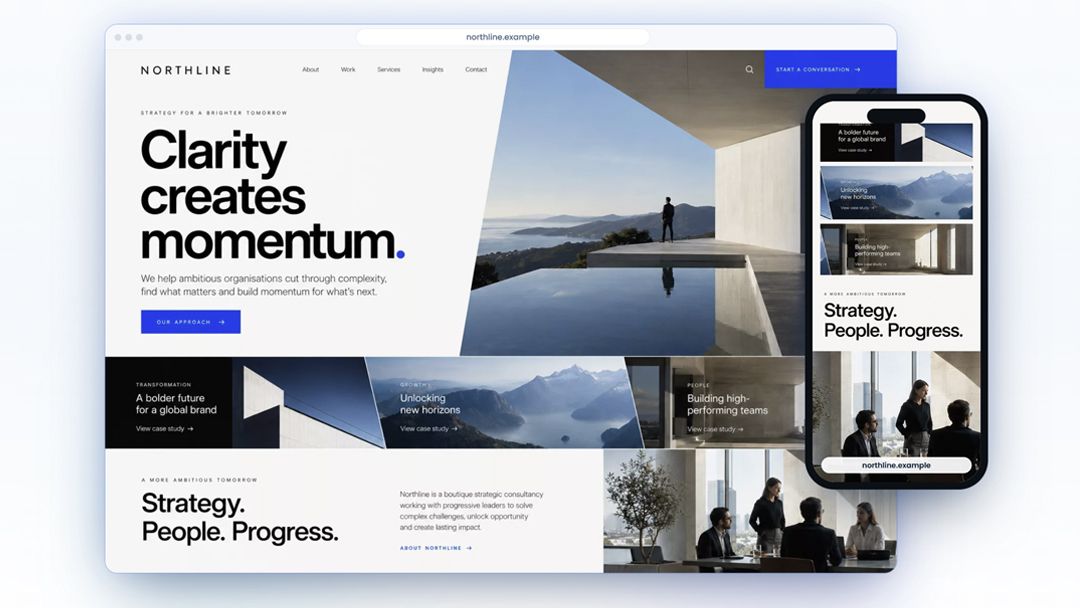
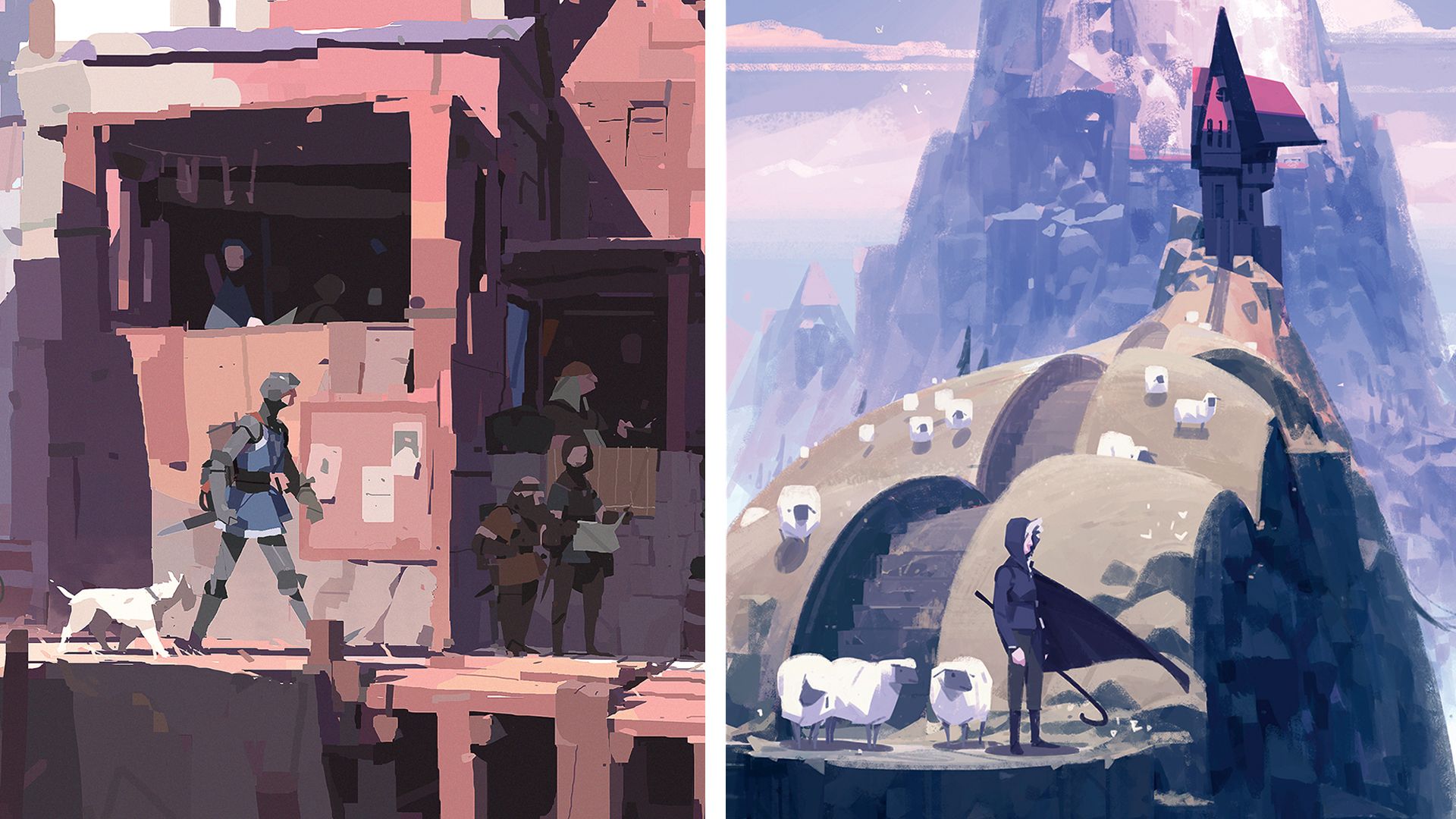
Web designer, author, and founder of Stuff & Nonsense, Andy Clarke, has released a new e-book titled Standout Designs for the Web. The book aims to encourage designers to create more personality-driven websites by exploring the use of storytelling, color, typography, imagery, and layout. According to CSS-Tricks, Clarke's book draws on his thirty years of web design experience to help designers create websites that people recognize and remember.
Clarke's motivation for writing the book stems from his observation that many websites look remarkably similar, despite the numerous tools and technologies available to designers. He believes that designers have become too comfortable with familiar patterns and predictable layouts, resulting in a lack of creativity and personality in web design. Clarke argues that this sameness, which he calls 'commodity design,' makes it difficult for companies to stand out and be recognizable.
The book challenges designers to think beyond conventional layouts and to make more thoughtful decisions about when to use familiar patterns. Clarke emphasizes the importance of storytelling in web design, which involves uncovering the unique story and personality of a company and incorporating it into the design. He believes that every company has a story worth telling, and that these stories can influence everything from the words used to the colors, typography, and layouts chosen.
To demonstrate his ideas, Clarke invented a fake company called Wheelman, which provides services for getaway drivers. He uses this example to show how a company's character can influence the design of ordinary business pages, e-commerce, editorial content, and even transactional forms. Clarke's goal is to encourage designers to bring more personality to everyday websites and to make design decisions that give their work character.
The book also challenges the widespread use of twelve-column grids in web design. Clarke believes that these grids have become the default setting for web design, but that they can limit a designer's possibilities. He explores alternative ways to organize content, including column, compound, and modular grids, ratios, symmetry, and asymmetry. By understanding these different approaches, designers can create more interesting and effective layouts.
Ultimately, Clarke hopes that his book will inspire designers to approach their work with more curiosity and creativity. He encourages designers to spend more time discovering what makes a company interesting and to question their initial design decisions. By doing so, designers can create websites that are more memorable, recognizable, and effective. CSS-Tricks reported that the book is available for purchase in their store.
As designers look to the future, they may find Clarke's book to be a valuable resource in their efforts to create more standout designs. With its emphasis on storytelling, personality, and creative design decisions, Standout Designs for the Web has the potential to inspire a new generation of web designers to think outside the box and create truly memorable websites.
Questions and answers
What is the main goal of Andy Clarke's book?
The main goal of the book is to encourage designers to create more personality-driven websites by exploring the use of storytelling, color, typography, imagery, and layout.
What does Clarke mean by 'commodity design'?
Clarke refers to 'commodity design' as the sameness that results from designers becoming too comfortable with familiar patterns and predictable layouts, making it difficult for companies to stand out and be recognizable.
How can designers apply the principles of storytelling to their work?
Designers can apply the principles of storytelling by uncovering the unique story and personality of a company and incorporating it into the design, influencing everything from the words used to the colors, typography, and layouts chosen.